

05 / The Archive
Ideas
in motion
The Archive gathers essays, conversations, and frameworks developed through the work: patterns noticed, questions pursued, and connections still unfolding.
Explore what draws your attention below, or follow the ongoing conversation through The Aperture Field Notes and the podcast.




Field Notes,
Spoken.
Short audio essays and reflections on clarity, leadership, and systems in transition.
Some episodes begin as written Field Notes. Others take shape first in audio. Together, they offer another way into the questions, patterns, and ideas behind the work.
Related essays and selected transcripts are available through The Aperture Field Notes on Substack. Listen wherever you get your podcasts.

It’s often not the loud changes that matter most.
Jeremy Rifkin, in The Empathic Civilization, wrote about how societies evolve through expanding circles of identification, and how what we consider ‘us’ grows over time: from family, to tribe, to village, to nation. At each stage, something new emerges that stretches the boundaries of the existing system. And that creates friction, because integrating something new often requires changing something that already works (at least for some).

The Villainous Hero
When someone repeatedly steps in at the point of crisis, the early warning signs are never dealt with and unclear roles remain unclear. The system learns unconsciously, but very effectively, that it does not need to adapt, because someone else will carry it.
Real leadership happens before the fire.

The Parts That Work and the Parts That Make It Worthwhile
On this idea of “quality” that sits somewhere between the classical (structure, logic, science) and the romantic (aesthetic, experience, meaning).
We’ve spent generations pulling these apart. Science on one side; spirituality, art, and meaning on the other. Each refined, each made more precise, and each, in its own way, beautiful.

The gap between who you are and who you are trying to be
When the current self and the potential self aren’t on the same wavelength, it creates a kind of internal compression; like a spring wound tight, holding energy but unable to release it cleanly. And that compression doesn’t stay contained, it shows up in conversations, decision-making, and in how we relate to others
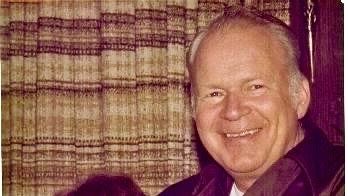
The Terrain Changed, But the Orientation Did Not
A reflection on a grandfather’s mischief, stroke, and enduring orientation toward the edge, and on the possibility that what defines us is not our résumé, but the persistent way we meet the world.

When Good and Bad Stop Working
In systems built on tradeoffs, good and bad often stop being useful categories. This essay begins with a meal kit and follows the thread into incentives, externalities, moral outsourcing, and the quieter practice of staying in contact with the costs of our participation.

The color we see is what isn’t integrated
What a system broadcasts most loudly may not be what it has mastered, but what it cannot yet integrate. This essay moves from plant optics to vocal pedagogy to organizational polarity, tracing how defended positions can become the visible colour of an unmet capacity.

Leaving a Light on
In a time of fracture and exhaustion, care can easily become confused with rescue. This essay reflects on listening, presence, and the quiet act of leaving a light for someone who is not ready to climb out yet.

A Case Against Joy
Joy is often treated as a sign that we are aligned, successful, or on the right path. This essay questions that frame, exploring why joy is not the metric, and why presence, coherence, and non-attachment may offer a wider lens.

The cost of veiled communication
Some communication asks to be understood. Some asks to be decoded. This essay explores the hidden cost of veiled communication, and how clean, kind directness can become a form of relational care.